Preparing your roof for winter isn’t just a recommended step for Iowa homeowners—it’s an essential one. Every year, countless homes across the state experience preventable roof damage due to snow accumulation, ice dams, bitter cold, and freeze-thaw cycles. Because Iowa winters can be unpredictable and severe, your roof must be ready to withstand months of harsh conditions.
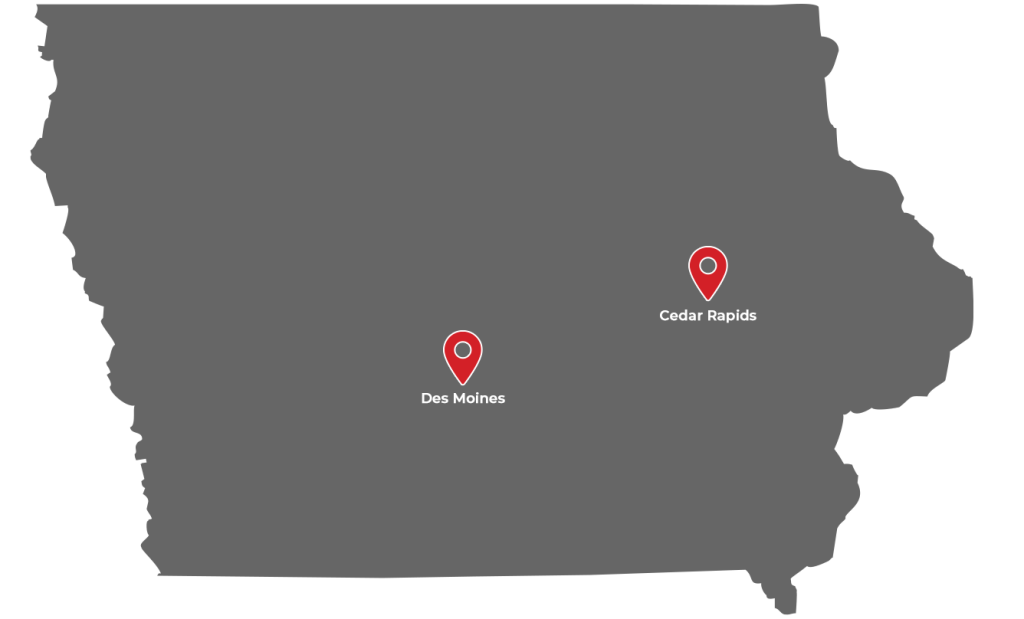
At Robison Construction, we’ve inspected, repaired, and replaced thousands of roofs across Eastern Iowa and the Greater Des Moines area. After years of working through roofing emergencies, mid-winter leaks, and storm damage, one thing is clear: most winter roofing problems could have been prevented with proper preparation in the fall.
This guide provides the critical steps every Iowa homeowner should take to prepare their roof for winter, explains why each step matters, highlights key statistics, and reinforces the importance of working with a trusted roofing company before snow season arrives.
Why Winter Roof Preparation Matters in Iowa
Iowa is known for heavy snowfall, ice storms, extreme cold, and rapid temperature fluctuations—all of which place substantial stress on a roof. A typical Iowa winter can include:
Repeated freeze-thaw cycles
Snow accumulation of 20–40 inches or more
Subzero temperatures
Ice dams forming on roof edges
High winds driving snow and ice under shingles
According to national homeowner data, nearly 31 percent of homeowners report roof leaks or winter-related roof issues within a three-year period, showing how common—and costly—cold-weather roofing problems can be.
Roof preparation isn’t just about making winter easier; it’s about preventing winter from destroying parts of your home. When damage occurs during winter, repairs are harder, more expensive, and sometimes impossible until temperatures rise.
The good news? By taking a proactive approach, you can significantly reduce the risk of leaks, structural damage, ice buildup, and emergency roofing situations.
Step 1: Schedule a Professional Roof Inspection Before Winter
A professional roof inspection is the most effective way to detect early signs of damage before they escalate during winter. While homeowners can spot some obvious issues, many forms of roof deterioration—such as soft spots, minor leaks, failing flashing, or underlayment problems—can only be identified by trained experts.
A fall inspection allows a roofing professional to assess:
Shingle condition
Flashing integrity around chimneys, vents, and skylights
Roof decking strength
Early leak indicators
Ventilation and insulation performance
Gutter alignment and drainage
At Robison Construction, fall is one of the busiest times of year for inspections because homeowners want peace of mind before the first snowfall. For roofs older than 15 years, a pre-winter inspection is especially important, as aging shingles become more brittle in cold weather.
Step 2: Clear Your Gutters and Downspouts
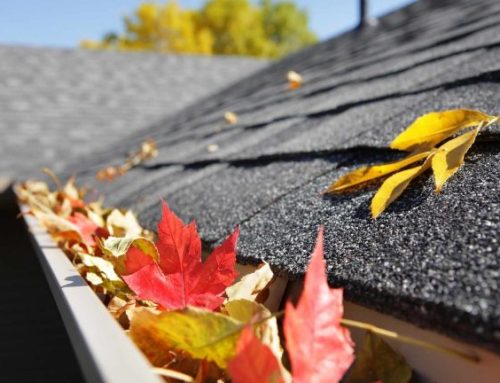
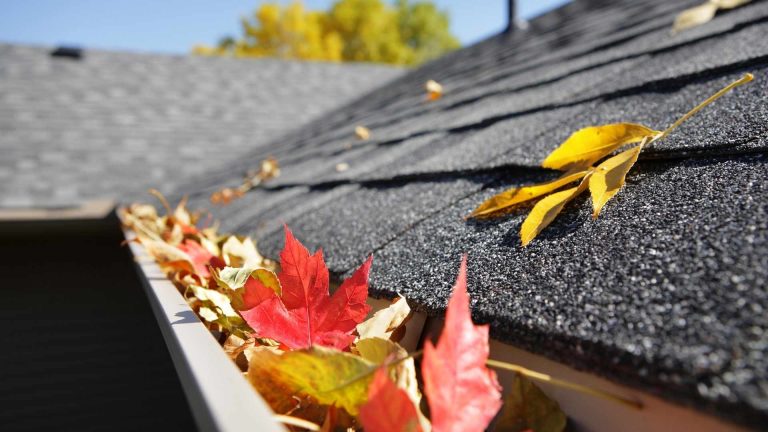
Blocked gutters are one of the most common causes of winter roof damage in Iowa. When leaves, sticks, and debris remain in your gutter system, water cannot drain properly. Instead, it pools, freezes, and forms ice dams.
Ice dams occur when melted snow refreezes along the roof edge. These ridges of solid ice trap melting water behind them, forcing it beneath shingles and into your home. This often results in:
Interior leaks
Wet insulation
Wall or ceiling stains
Mold growth
Roof decking rot
Cleaning your gutters in late fall is one of the simplest and most impactful steps for winter roof protection. Downspouts should also be checked to ensure water is carried away from the home to prevent foundation issues.
For homes near trees, gutter guards may also help reduce debris buildup.
Step 3: Remove Debris from the Roof Surface
Many Iowa homes experience roof debris buildup throughout the year—from branches and leaves to seeds, acorns, moss, and algae. If not removed, these materials can:
Trap moisture
Add extra weight
Block water flow
Cause shingle deterioration
Moist debris is especially problematic during winter because it freezes, expands, and accelerates shingle damage. Clearing debris before the first snowfall helps preserve the integrity of your roofing system.
While some homeowners attempt this on their own, walking on a roof is dangerous without proper equipment. A roofing professional has the tools and safety gear needed to remove debris safely.
Step 4: Address Minor Repairs Before They Turn Into Major Winter Problems
Even small roof issues can evolve into catastrophic problems in winter. Cold temperatures cause shingles to contract and become more brittle, making repairs more difficult and increasing the risk of breakage. That’s why fall is the ideal time to complete any necessary roofing repairs.
Common pre-winter repairs include:
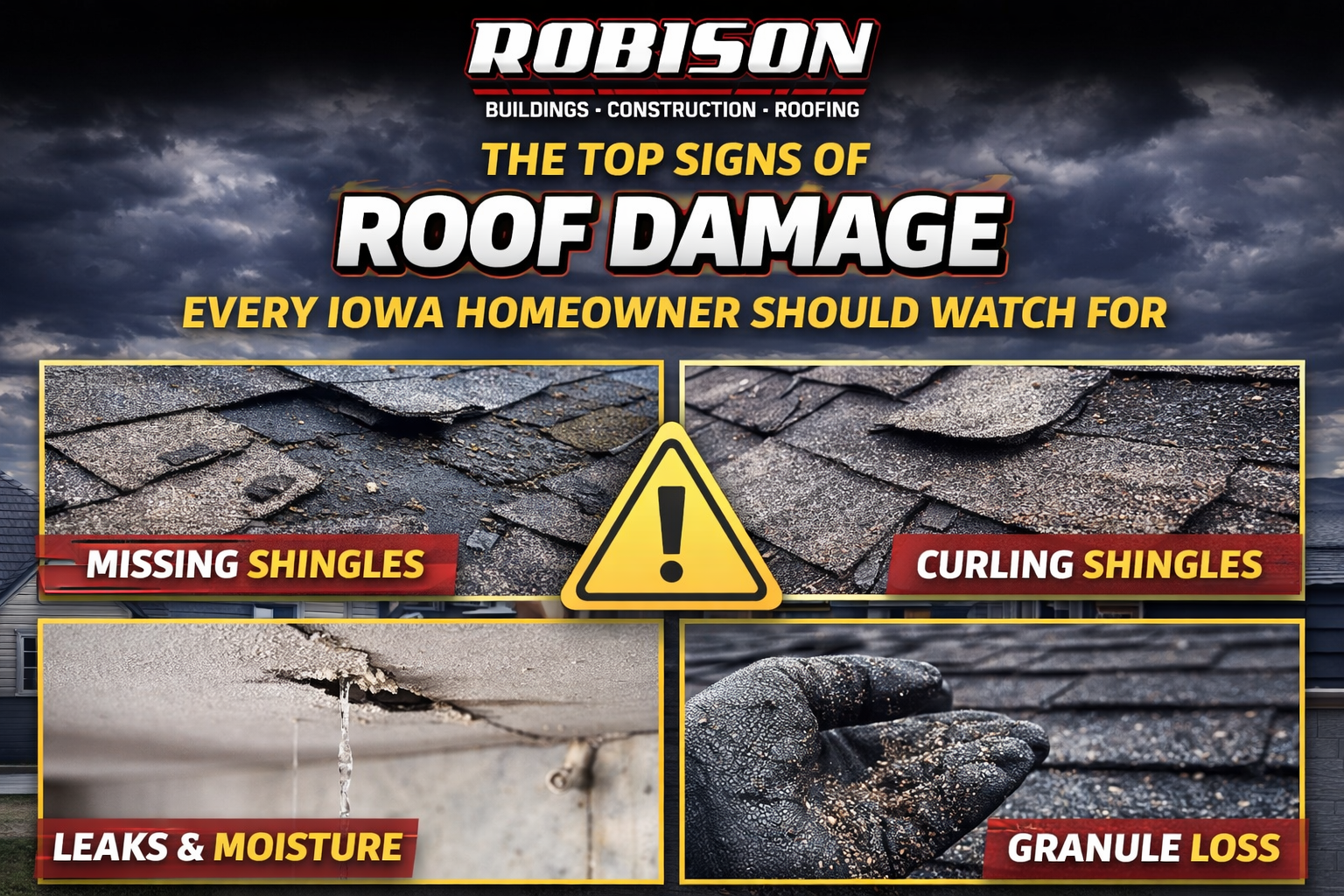
Replacing damaged or missing shingles
Re-securing loose flashing
Sealing around chimneys, vents, or dormers
Repairing small leaks or compromised underlayment
Fixing sagging gutters
Patching or reinforcing weak roof decking
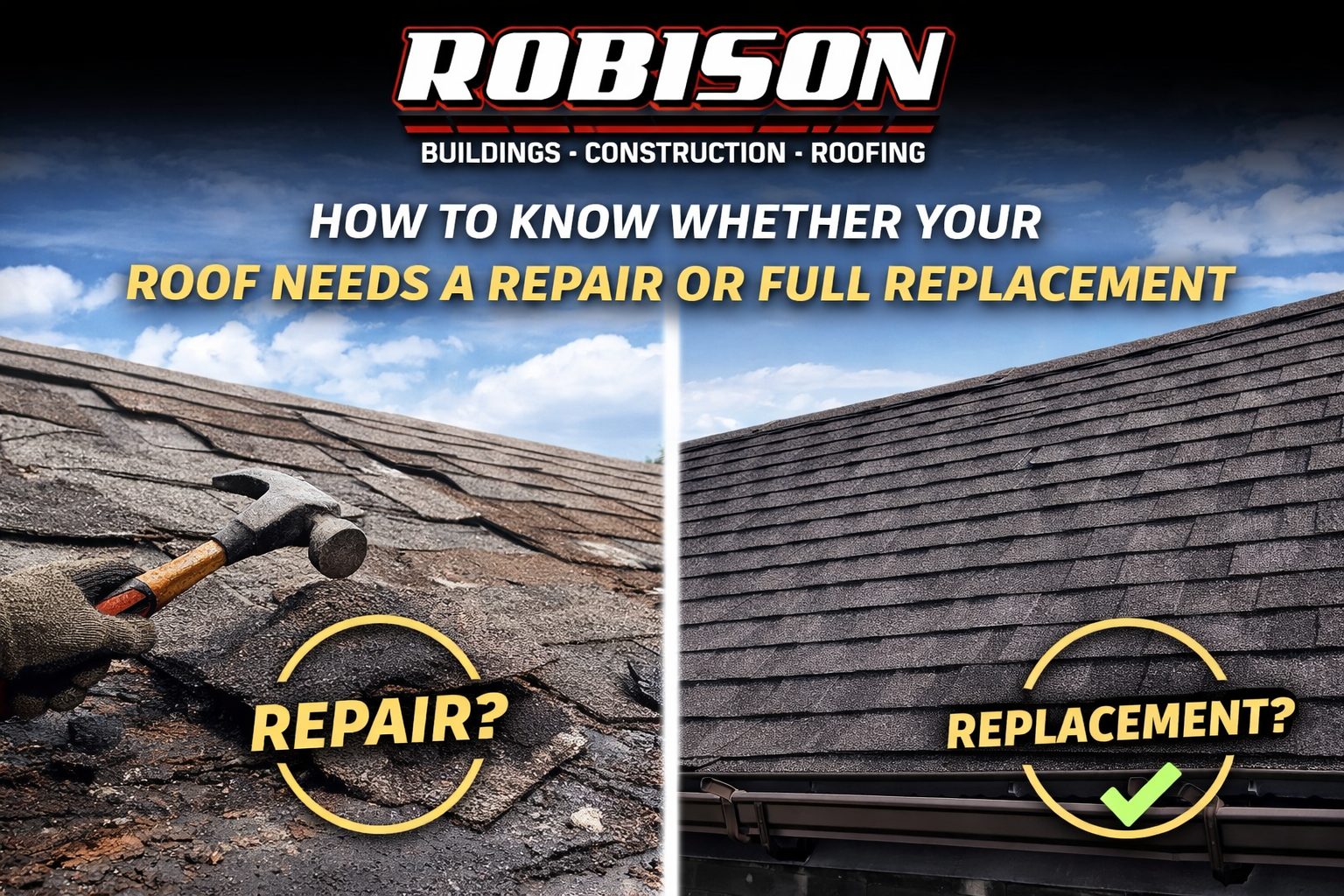
Ignoring these issues until spring can lead to bigger, costlier damage. In severe cases, leakage during winter can cause structural deterioration that requires partial or full roof replacement later.
Step 5: Check Attic Ventilation and Insulation
Many homeowners don’t realize that proper attic ventilation is one of the biggest factors in preventing winter roof problems. When an attic lacks airflow, warm air from inside the home rises and becomes trapped under the roof deck. This heat melts snow on the roof—even during freezing temperatures. When the melted snow refreezes at the roof’s edge, ice dams form.
Proper ventilation keeps attic temperatures consistent, reducing the risk of ice dams and prolonging roof life.
Insulation is just as important. When insulation is inadequate:
Heat escapes into the attic
Energy bills rise
Snow melts unevenly
Moisture becomes trapped
Condensation builds up, leading to mold
A roof preparation checklist should always include checking both attic insulation (especially around ductwork and ceiling penetrations) and ventilation (soffit vents, ridge vents, and gable vents).
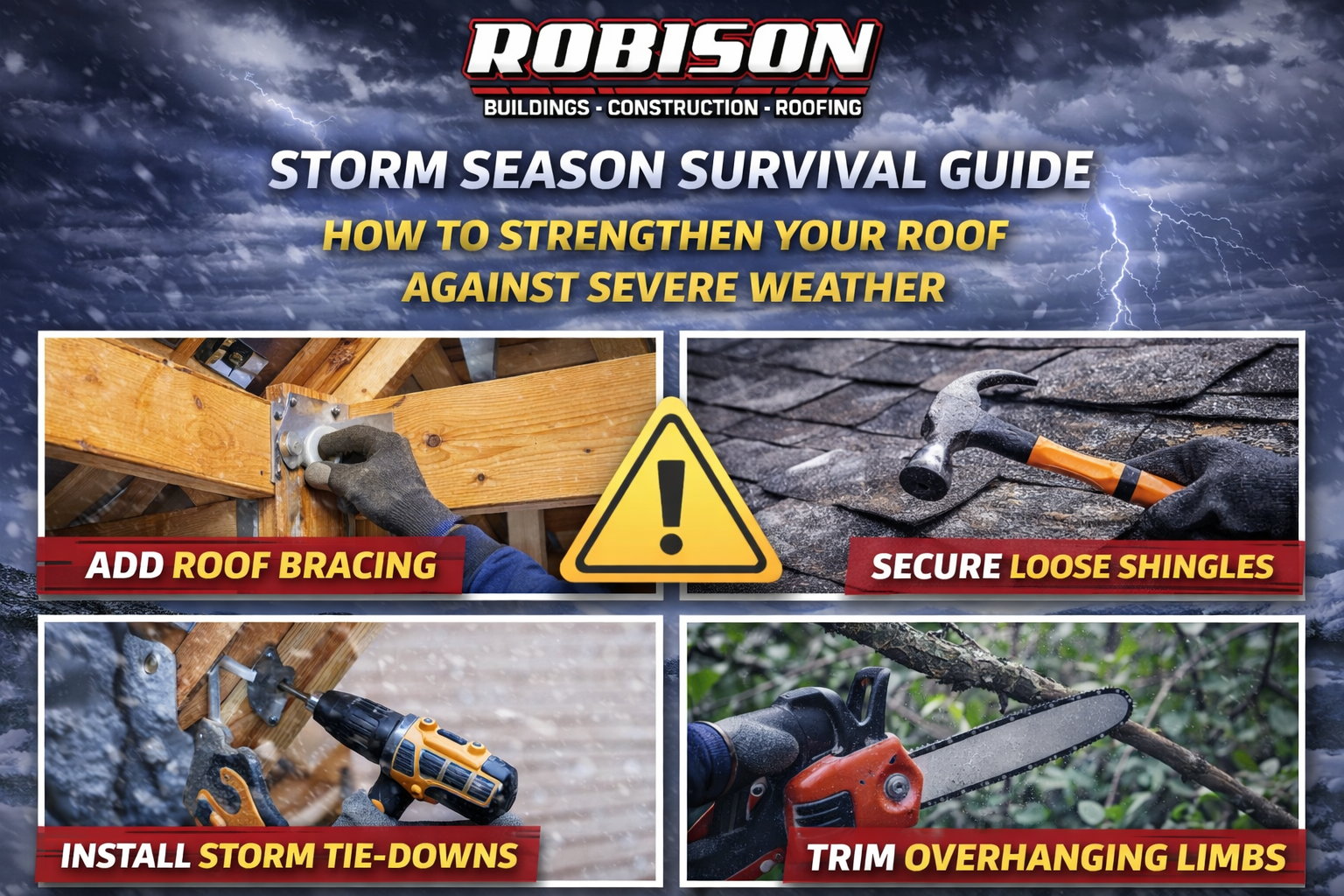
Step 6: Trim Overhanging Branches
Iowa winters bring heavy snow and ice accumulation. When combined with strong winds, these conditions can cause tree branches to snap unexpectedly. Overhanging or weakened branches pose several risks, including:
Puncturing roofing materials
Pulling off gutters
Damaging siding
Breaking shingles or flashing
Trimming branches in the fall reduces these hazards significantly. Keeping branches several feet away from your roof also prevents debris buildup and reduces the likelihood of animals accessing your attic.
Step 7: Test and Seal All Roof Penetrations
A roof may look solid from the ground, but small openings around penetrations are responsible for many winter leaks. Before the snow arrives, homeowners should ensure that all roof penetrations are properly sealed and reinforced.
This includes:
Skylights
Chimneys
Vent pipes
Satellite mounts
Exhaust fans
Solar panel brackets
Over time, caulking or sealants degrade. Even a tiny gap can allow water to seep into attic spaces during freeze-thaw cycles. A roofing professional can reseal these areas to keep water out during the coldest months of the year.
Step 8: Consider a Pre-Winter Roof Tune-Up
Many roofing companies, including Robison Construction, offer pre-winter tune-ups. These services typically include:
Full inspection
Minor repairs
Shingle reinforcement
Flashing adjustment
Gutter and roof cleaning
Sealant refresh
Ventilation evaluation
A tune-up is especially beneficial for roofs between 10 and 20 years old, as they are more vulnerable to winter weather stress.
Step 9: Prepare for Snow Removal
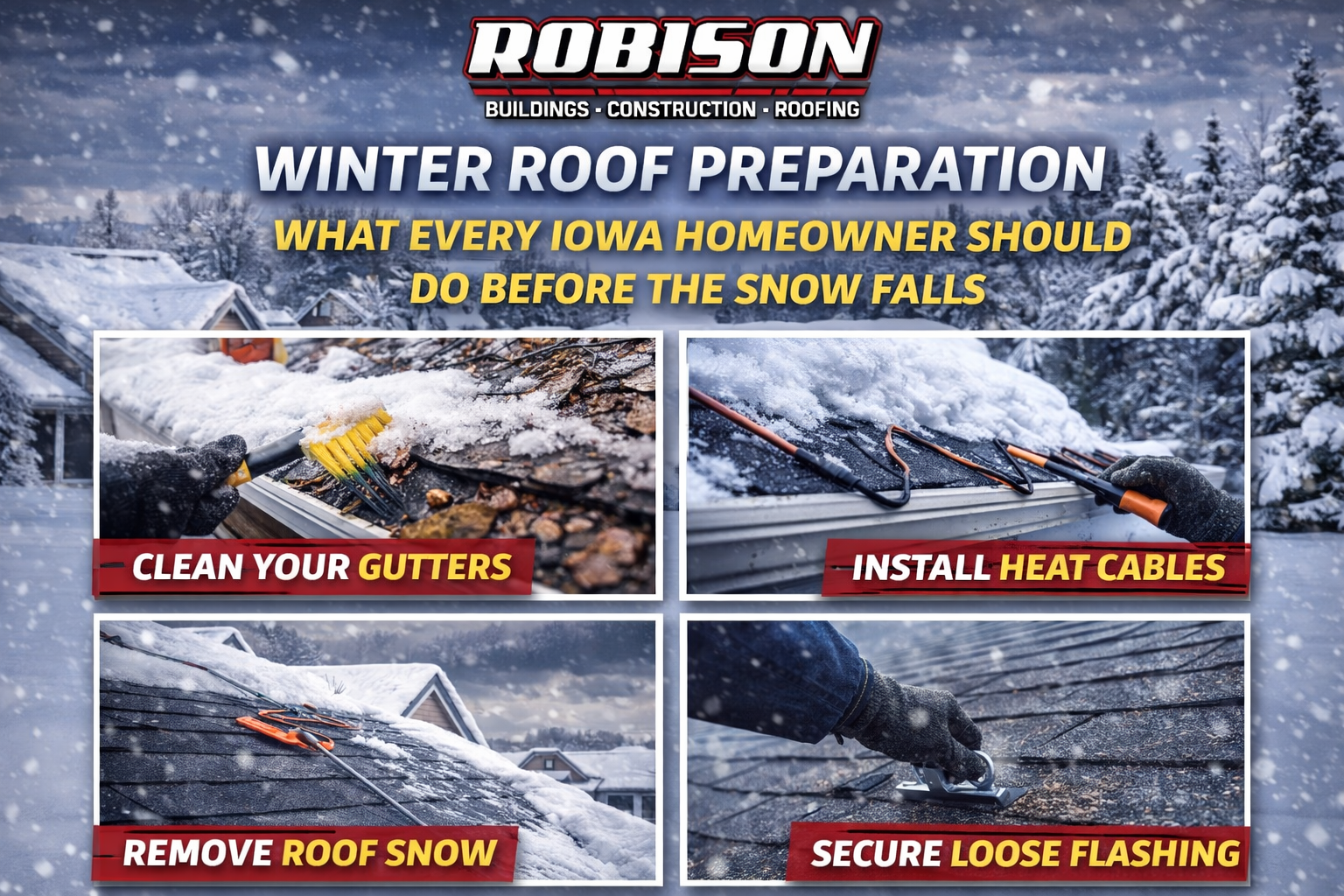 Not all snow removal is safe for roofs. Attempting to remove snow with metal tools or while standing on the roof can cause significant damage or personal injury. Homeowners should plan ahead by:
Purchasing a roof-safe snow rake with a long handle
Identifying safe areas to push snow away from the house
Knowing when to call professionals for heavy snow loads
While most Iowa roofs are designed to hold substantial weight, ice and soggy snow can create dangerous conditions. If your area experiences a major storm, it’s often safer to let trained professionals handle removal.
Step 10: Monitor Your Roof All Winter Long
Preparation doesn’t end once winter begins. Homeowners should continue monitoring their roof throughout the season to catch developing issues early.
Look for signs such as:
Ice dams forming at the roof’s edge
Excessive icicles
Interior water stains or damp spots
Snow loads that appear too heavy
Sagging gutters
Higher-than-expected heating bills
Quick action during winter can prevent severe spring damage.
A Real Customer Testimonial
“I texted Matt Sunday evening regarding a wet ceiling from a roof leak. I was worried with more storms in the forecast. He came over Monday morning, inspected the roof, and confirmed the leak. His guys came over Monday afternoon and started the repairs. They were extremely polite, understanding, and hardworking. I couldn’t be more pleased with the results. Thank you very much Robison Roofing!”
This testimonial highlights the value of having a trusted roofing contractor ready to respond when winter issues arise. Most mid-winter leaks could have been prevented with fall preparation, but when emergencies occur, a reliable team makes all the difference.
The Cost of Not Preparing Your Roof for Winter
Failing to prepare your roof can lead to:
Leaks during thaw cycles
Mold and mildew growth
Damaged insulation
Ruined drywall and ceilings
Higher energy bills
Gutter collapse
Shingle deterioration
Full roof replacement sooner than expected
What begins as a small oversight—such as a loose shingle, clogged gutter, or weakened flashing—can turn into thousands of dollars in damage once snow and ice arrive.
Proactive maintenance is always more cost-effective than reactive repairs.
Why Iowa Homeowners Trust Robison Construction
Iowa homeowners need a roofing company that understands local weather patterns, seasonal risks, and the best roofing materials for Midwestern climates. Robison Construction has earned a strong reputation for delivering:
Expert craftsmanship
Honest recommendations
Clear communication
Fast response times
High-quality materials
Long-term reliability
Our team knows how Iowa winters affect roofs and provides tailored solutions that keep your home safe through snow, ice, and freezing temperatures.
Final Thoughts: Protect Your Home Before Winter Arrives
Winter roof preparation is one of the smartest investments an Iowa homeowner can make. A well-maintained roof shields your home from harsh weather, prevents costly damage, and ensures your family stays warm and protected throughout the season.
By scheduling an inspection, clearing gutters, trimming branches, reinforcing shingles, checking insulation, and addressing small repairs early, you can prevent winter from turning into a roofing emergency.
Robison Construction is here to help every step of the way—from inspections and repairs to full roof replacements when needed.



Leave A Comment