Iowa homeowners face a wide range of weather conditions throughout the year, including heavy snow, hail, high winds, ice storms, and intense summer heat. All of these factors contribute to one unavoidable truth: roofs in Iowa experience significant wear and tear. The challenge for many homeowners is knowing whether their roof is still doing its job or hiding signs of damage that could lead to expensive repairs later.
At Robison Construction, our team has inspected and repaired thousands of roofs across Eastern Iowa and the Greater Des Moines region. With over two decades of combined experience, we understand the unique roofing challenges Iowa homeowners face and the most common warning signs of roof damage that should never be ignored.
This guide breaks down the top indicators that your roof may be compromised and explains why early detection is critical for protecting your home, your wallet, and your peace of mind.
Why Recognizing Roof Damage Early Matters
A damaged roof is more than a cosmetic issue. A single missing shingle can allow water to seep into your underlayment. A small leak in your attic can eventually cause mold growth, ruined insulation, wall staining, and even structural rot. Over time, minor roof issues can evolve into major, costly repairs or the need for a full roof replacement.
National industry data shows that nearly 31 percent of homeowners complete roofing repairs or replacements within a three-year period, proving that roof damage is more common—and often more severe—than many expect.
Catching early warning signs can save you thousands of dollars, extend your roof’s lifespan, and prevent serious issues inside your home.
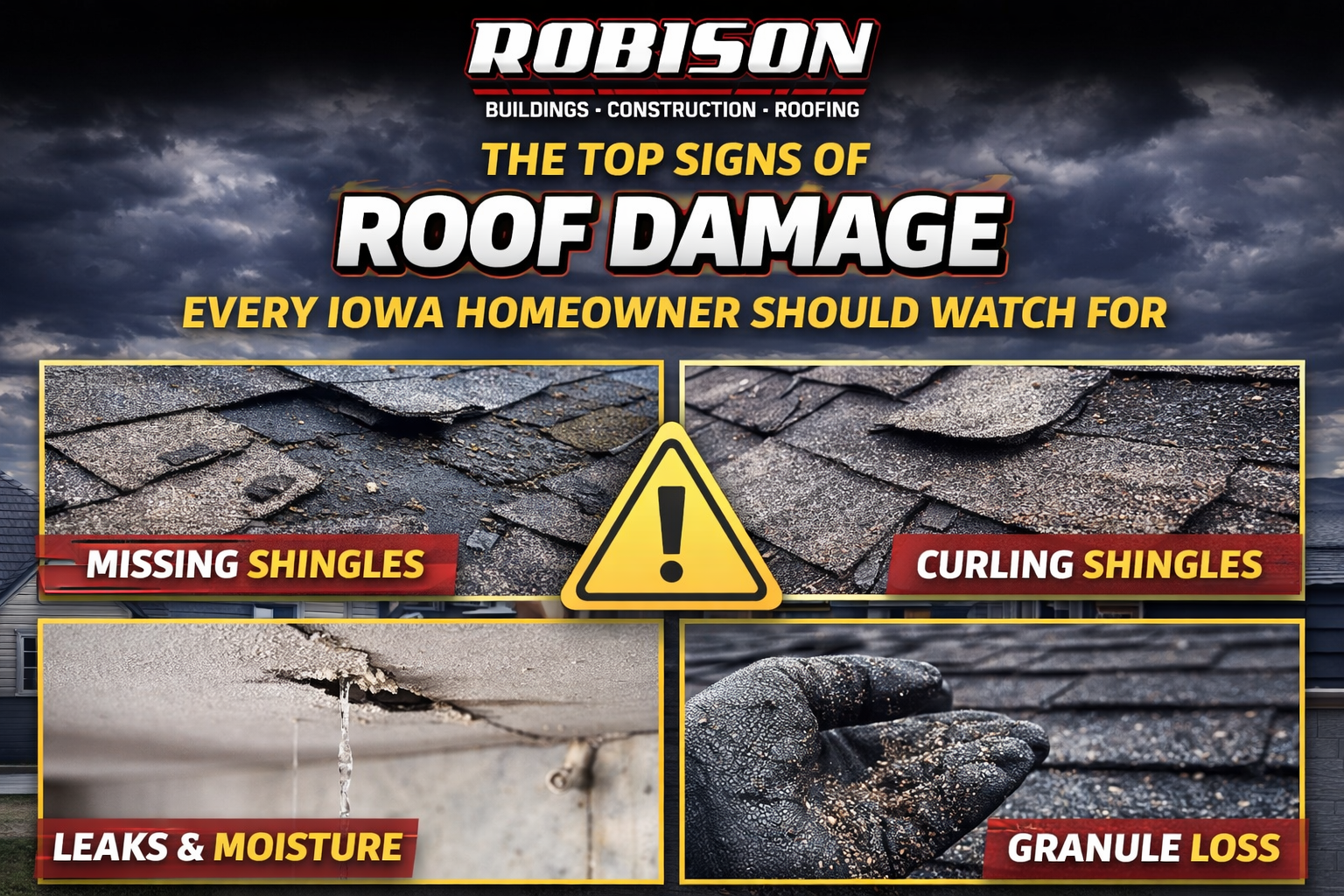
1. Missing, Cracked, or Damaged Shingles
One of the most visible and common indicators of roof damage is missing or damaged shingles. In Iowa, strong winds, hailstorms, and freeze-thaw cycles frequently cause shingles to break, crack, curl, or fall off entirely.
Warning signs include:
Shingles that are curling upward at the edges
Shingles that appear torn, cracked, or brittle
Bald spots from granule loss
Discoloration or dark patches
Entire shingles missing from wind damage
Damaged shingles compromise your roof’s ability to deflect water, which means even one broken shingle can lead to leaks. If your roof is older than 15 years, shingle deterioration becomes even more likely as materials naturally weaken over time.
2. Granule Loss in Gutters and Downspouts
Asphalt shingles rely on protective granules to shield them from UV rays, weathering, and impacts. When shingles age or experience storm damage, these granules begin to shed.
What Iowa homeowners should look for:
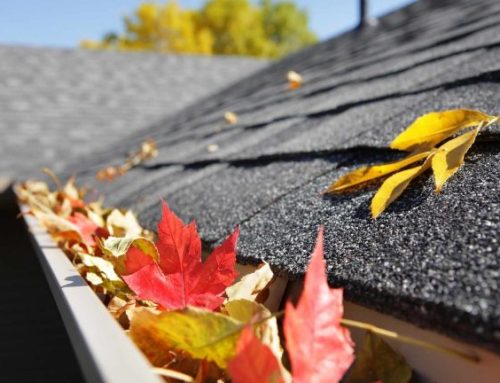
Sand-like granules in gutters
Dark streaks or spots forming on shingles
Downspouts spitting out granule debris
A roof losing granules is a roof losing protection. This often indicates the beginning stages of roof failure and is a strong sign that repair or replacement may be needed.
3. Sagging or Uneven Rooflines
A sagging roof should always be treated as a serious red flag. While cosmetic dips may occur with older homes, true structural sagging typically means:
Water damage has weakened the roof deck
Excessive snow load has caused long-term strain
Internal support beams or rafters may be deteriorating
Moisture infiltration has caused rot
Iowa winters bring heavy snow that can sit on a roof for weeks. When too much weight settles on moisture-weakened decking, sagging becomes inevitable. This issue should never be ignored—structural roof failure poses safety risks and almost always requires immediate professional attention.
4. Water Stains on Ceilings or Interior Walls
Water stains are one of the clearest indicators that roof damage has already allowed moisture into your home. These stains often appear slowly, but once visible, the damage behind them is usually more extensive than homeowners realize.
Common signs of water penetration:
Brown, yellow, or rust-colored ceiling spots
Peeling paint or bubbling drywall
Musty odors in certain rooms
Stains around skylights, chimneys, or vents
A roof leak can allow water to travel across beams before finally appearing in a different location, so the visible stain rarely indicates the exact point of entry. That’s why professional inspection is essential.
5. Damaged or Rusted Flashing
 Flashing is one of the most critical components of your roofing system. It seals vulnerable areas like chimneys, vents, skylights, and roof valleys to prevent water from getting inside.
Over time, flashing can bend, crack, rust, or separate from the surface due to temperature shifts and storm impacts. When flashing fails, water has a direct path into your attic and home.
Signs your flashing needs attention:
Visible separation between flashing and shingles
Rust, cracks, or holes
Water stains around chimneys or skylights
Damp insulation near vents
In Iowa, where temperatures swing dramatically between seasons, flashing damage is particularly common.
6. Hail Damage After Iowa Storms
Iowa is no stranger to hailstorms. Even small hailstones can cause severe damage to shingles, gutters, roof vents, and siding.
Hail may leave dents or cracks that are hard to spot from the ground, and many homeowners don’t realize the extent of the damage until leaks begin months later.
Look for:
Circular impact marks
Bruised or soft shingles
Loss of granules in specific patterns
Cracked or broken vents
If your neighborhood experienced a hailstorm, a roof inspection is recommended even if your roof looks fine from below.
7. Ice Dams During Winter
Ice dams are thick ridges of ice that form along the edges of your roof when snow melts and refreezes. They trap water behind them, causing it to flow backward beneath the shingles and into your home.
Signs of ice dam damage include:
Icicles hanging from gutters
Water leaking into attic spaces
Stains or mold near exterior walls
Buckled shingles along the roof edge
Proper ventilation and attic insulation help prevent ice dams, but once they form, damage often follows.
8. Rising Energy Bills
If your heating or cooling bills suddenly increase without explanation, your roof could be the cause. Damaged shingles, poor ventilation, and compromised insulation all affect your home’s energy efficiency.
This is especially noticeable during Iowa summers and winters, when cooling and heating systems work hardest.
A roofing system that’s no longer performing correctly may allow heat to escape in winter or trap heat in summer, driving up energy usage.
9. Mold, Mildew, or Moisture in the Attic
Your attic is often the first place to show signs of roof damage. If air circulation is poor or moisture enters through a damaged section of roof, the attic becomes a breeding ground for mold and mildew.
Warning signs include:
Damp insulation
Visible mold on wood beams
Condensation on nails or ventilation ducts
A strong musty odor
Unchecked attic mold can lead to health issues, wood rot, and widespread structural deterioration.
10. Previous Repairs That Keep Failing
If you’ve patched a leak more than once or had multiple small repairs performed in the same area, you may be dealing with a deeper underlying issue.
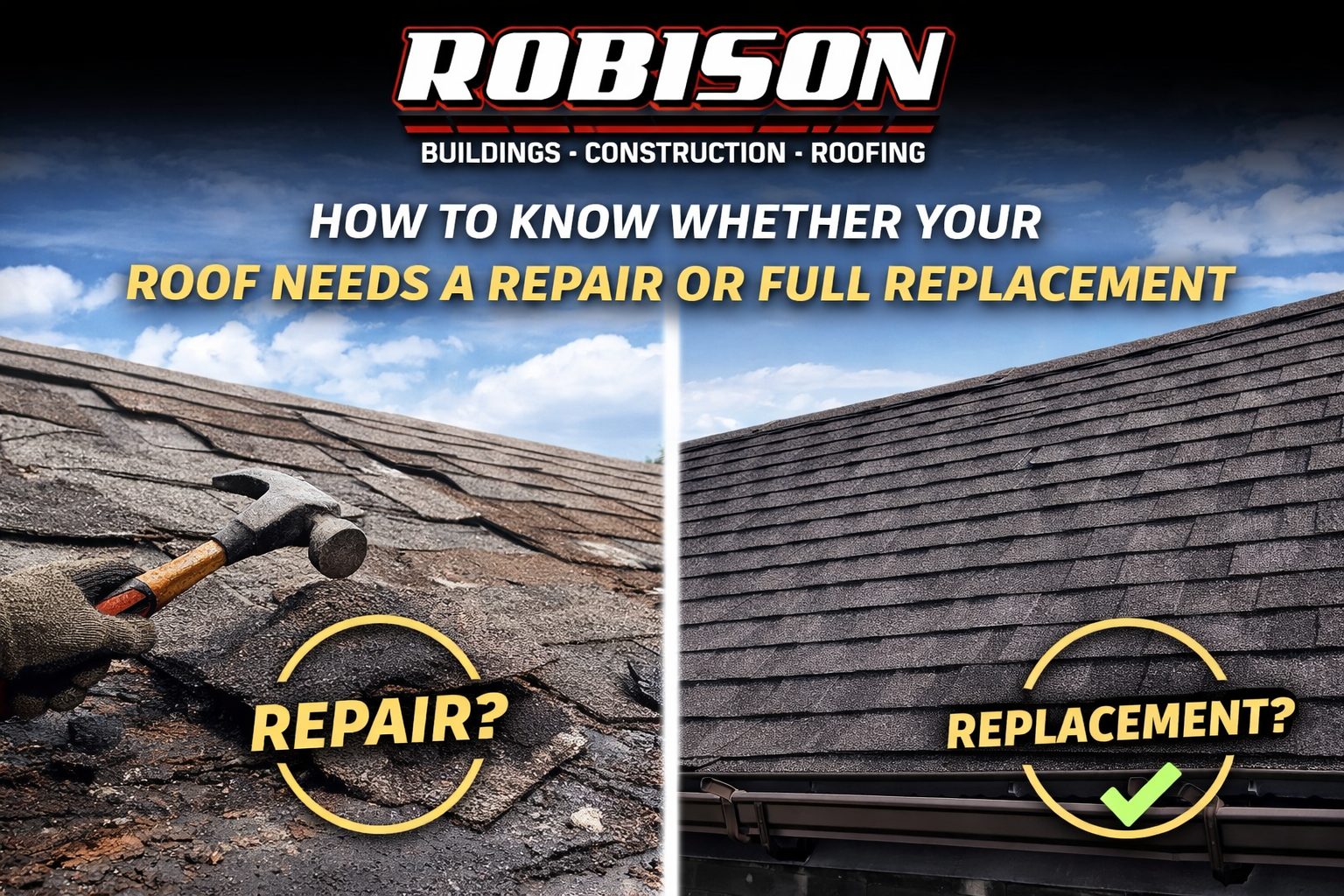
Multiple recurring problems indicate that the roof system is failing, and ongoing repairs may cost more in the long run than a full replacement.
A professional assessment will determine whether patching is still viable or if the roof has reached the end of its service life.
Testimonial from a Robison Construction Customer
“I texted Matt Sunday evening regarding a wet ceiling from a roof leak. He came over Monday morning, inspected the roof, and confirmed the leak. His guys came over Monday afternoon and started the repairs. They were extremely polite, understanding, and hardworking. I couldn’t be more pleased with the results. Thank you very much Robison Roofing!”
This is one of countless examples of how catching early signs of roof damage—and calling a trusted local contractor—can prevent issues from escalating.
Why Iowa Homeowners Should Never Ignore These Warning Signs
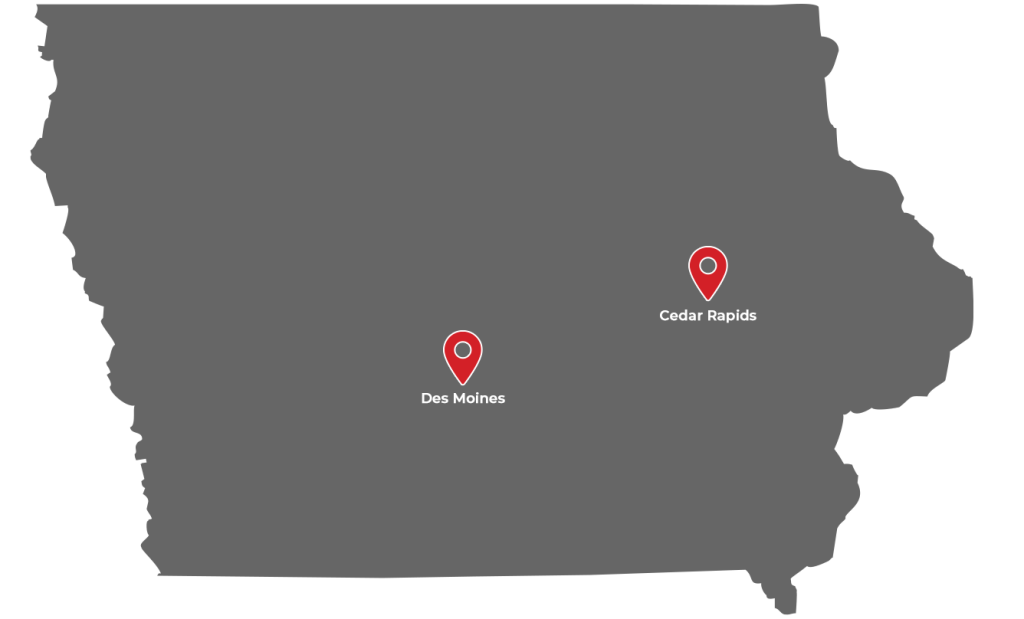
Whether you live in Cedar Rapids, Des Moines, North Liberty, or any surrounding community, roof damage tends to worsen quickly due to Iowa’s weather patterns. Leaving small issues untreated often leads to:
Interior water damage
Mold growth
Ruined insulation
Compromised structural framing
Higher utility bills
Decreased home value
Premature roof failure
By staying alert to these warning signs and scheduling regular inspections, you can extend the lifespan of your roof and protect your biggest investment—your home.
When to Call a Professional
If you notice even one or two of the warning signs listed above, it’s time to call a qualified roofing contractor. Many roof problems start small and are not visible from the ground, so attempting to diagnose issues without training can lead to overlooked damage.
A professional contractor will:
Inspect the full roofing system
Examine shingles, flashing, decking, and ventilation
Identify hidden leaks or structural issues
Provide clear repair or replacement recommendations
At Robison Construction, we offer thorough roof inspections supported by years of training, hands-on experience, and certification with leading roofing manufacturers.
Final Thoughts: Protect Your Home by Staying Proactive
Your roof is the first line of defense against Iowa’s unpredictable weather. Knowing what to look for—and acting quickly when problems arise—is the best way to prevent expensive repairs and protect your home long-term.
If you’re seeing cracked shingles, interior water stains, sagging roof sections, hail impacts, or rising utility bills, your roof may already be compromised. A professional inspection from a trusted local company like Robison Construction can give you clarity, confidence, and a clear path forward.



Leave A Comment