When it comes to caring for your home, one of the most important—but often overlooked—needs is your roof. A roof silently protects your home and everything inside from rain, snow, hail, wind, and fluctuating temperatures. Yet many homeowners wait until problems become obvious before taking action. By then, what might have been a simple repair could have escalated into the need for a full replacement.
At Robison Construction, we have decades of experience helping homeowners across Iowa evaluate roof problems and find the right solution. In this article, we explain how to know whether your roof needs just a repair or a complete replacement — backed by expert guidance, data, and real-world experience.
Why Getting It Right Matters
Deciding between repair and replacement isn’t just about cost. The wrong choice can leave you vulnerable to new leaks, interior water damage, mold, decreased energy efficiency, and even structural issues. On the other hand, choosing replacement too early can mean unnecessary expense.
That’s why informed decisions — grounded in evidence and professional assessment — matter.
According to a recent industry survey, nearly 31% of homeowners nationwide pursued roof renovation, repair, or maintenance projects over a three-year period. This shows that many homeowners eventually need to take action — but not all take the right action at the right time.
Meanwhile, the average lifespan of an asphalt shingle roof falls in the 20–30 year range, depending on maintenance, climate, and installation quality.
Understanding when repair suffices and when replacement is warranted can help you protect your home — and potentially save thousands of dollars in avoidable damage.
Key Signs Your Roof May Need Attention
Before deciding between repair and replacement, it helps to know what to look for. Below are common exterior and interior warning signs that indicate your roof may be in trouble.
1. Age of the Roof
Approaching or beyond 20–25 years: Asphalt shingles — the most common residential roofing material — generally last about 20–30 years under optimal conditions.
Material-specific differences: If your roof uses metal, tile, or another material, lifespans may vary. For example, metal roofs often last longer than asphalt.
If your roof is near the end of its expected lifespan, that alone may not trigger a full replacement — but it’s a major factor that requires close evaluation.
2. Visible Damage to Shingles or Roofing Surface
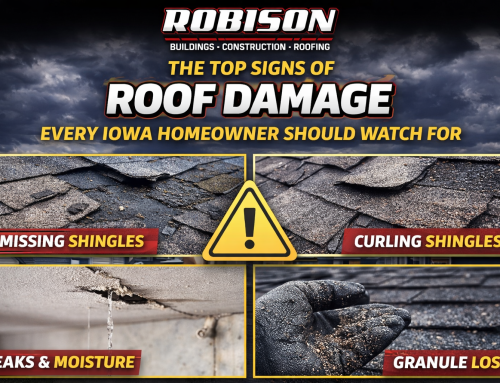
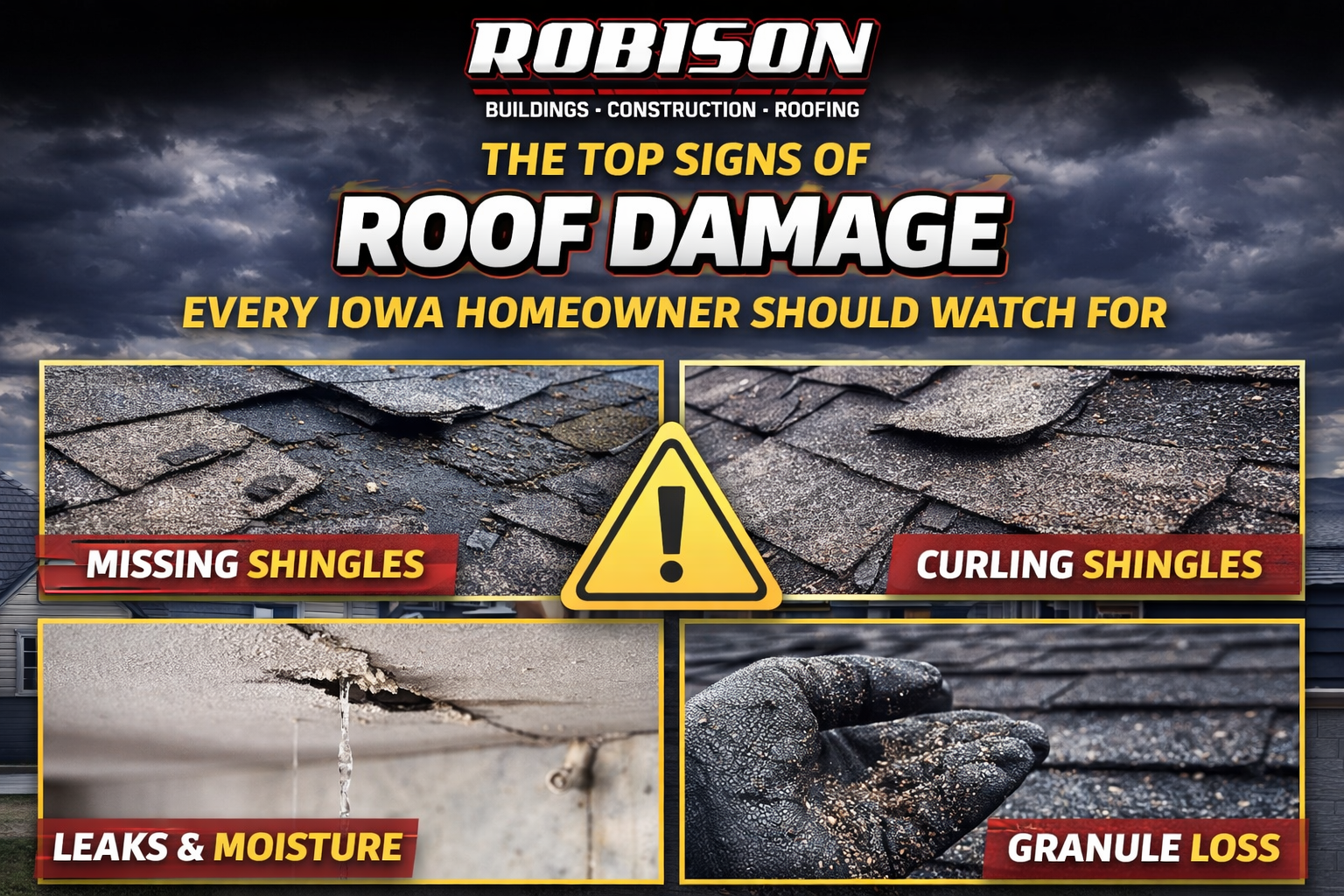
Curling, cupping, or buckling shingles: Shingles that don’t lie flat, or whose edges curl upward or cup inward, often indicate that the roof is past its prime.
Cracked, missing, or loosely attached shingles: These problems can expose the underlayment or roof deck, increasing the risk of leaks and water damage.
Granule loss: If you notice large amounts of shingle granules accumulating in gutters or downspouts, that’s often a sign of shingle deterioration.
3. Interior Indications of Roof Failure
Even if the roof appears fine from the outside, problems underneath can be just as serious. Watch for:
Water stains on ceilings or walls, damp spots in the attic, musty odors, peeling paint, or mold — all signs that leaks may be present.
Sudden increase in energy bills — if insulation or ventilation has been compromised by roof damage, heating/cooling costs may rise.
4. Structural Issues: Sagging or Uneven Rooflines
Sagging roof deck or uneven surface: This is more serious. A sagging roof often indicates structural issues under the surface, maybe caused by prolonged moisture exposure, rotting wood, or excessive weight (snow/ice) — and usually requires a full roof replacement.
5. Frequent or Recurring Repairs
If you find yourself calling for roof repairs more than once in a short period — especially for leaks or shingle damage — that’s a red flag. Constant patching can mean the roof has reached the end of its useful life, or underlying issues are worsening.
6. Age Combined with Visible Wear in a Harsh Climate
Your area’s climate — wind, hail, heavy snow, freeze-thaw cycles — can accelerate roofing deterioration. Even a younger roof may struggle under repeated weather stress. That’s why many roofing experts caution homeowners to be especially vigilant if the roof is over 15–20 years old in harsh climates.
 Repair vs. Replacement: Which Is Right — And When?
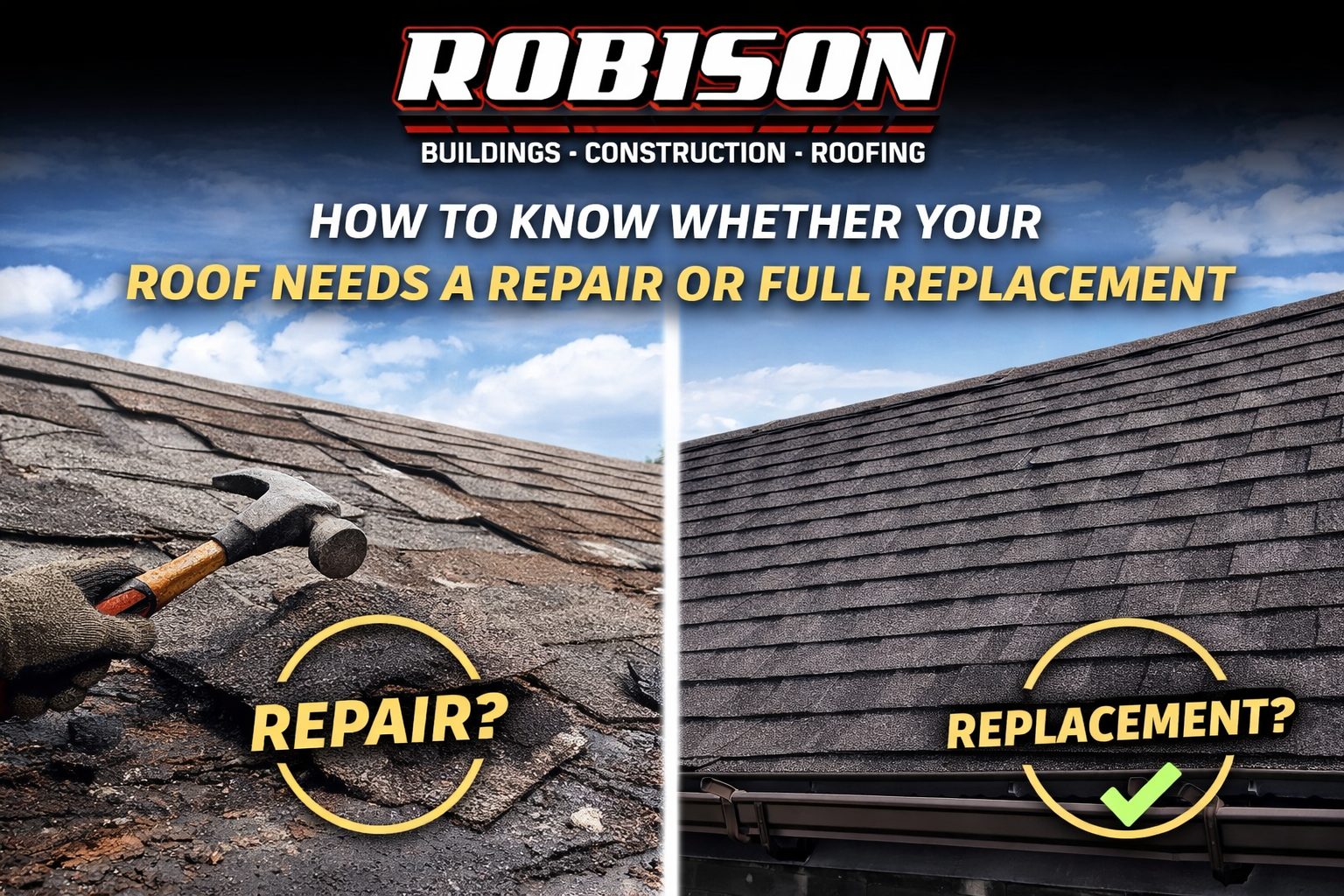
Once warning signs appear, how do you decide: repair or full replacement? There’s no one-size-fits-all answer — but the right call depends on a mix of factors: the extent of damage, roof age, material, and long-term home goals.
When Repair Is Appropriate
Repair makes sense when:
The problem is isolated — for example, a few cracked or missing shingles, or localized damage from a fallen branch or hail.
Overall, the roof is still relatively young (well within its life expectancy for the material).
Interior signs of damage are absent (no leaks, no stains, no mold, no wood rot).
The homeowner plans to stay in the home for the medium to long term, but wants to extend the roof’s life without large upfront cost.
In such cases, professional repair — especially by a qualified contractor — can restore protection and extend the roof’s useful life safely and affordably.
When Replacement Is the Better Choice
Consider a full replacement when:
The roof shows widespread or severe shingle damage: curling, cracking, granule loss, multiple missing shingles.
The roof has reached or exceeded its expected lifespan for the material.
There are structural concerns: sagging roof deck, uneven surface, signs of moisture damage under the roof.
You are experiencing frequent leaks or recurring repairs, indicating a systemic issue rather than a temporary one.
Your long-term goals include improving energy efficiency, updating to more durable materials (e.g., upgrading from older asphalt shingles to higher-grade shingles or metal), or increasing resale value.
The Benefits of Replacement — and Why It’s Often Worth It
Replacing a roof isn’t just about eliminating problems — it can actually improve your home’s value, safety, energy efficiency, and curb appeal. Here’s why many homeowners find replacement a smart long-term investment:
Longer-lasting protection: A new roof helps safeguard your home for decades — especially when installed by a certified contractor using quality materials.
Improved energy efficiency and insulation: Modern materials and installation techniques help keep your home more comfortable and reduce heating/cooling costs.
Increased property value: Many real-estate professionals recommend a new roof before listing a home, because it enhances marketability and provides buyers with confidence.
Peace of mind: No more wondering if the next storm will cause more leaks — or unexpected water damage inside.
In fact, for many homeowners, investing in a full roof replacement by a trusted contractor ends up being more cost-effective over time than repeated patchwork repairs that don’t fully address underlying issues.
Why Professional Inspection Matters — And What to Expect
Because every roof and every home is different, and because weather, ventilation, installation quality, and materials all play a role, a professional inspection is the single best way to determine whether repair or replacement is the right call.
A licensed, insured, experienced contractor will:
Perform a comprehensive exterior and interior assessment, including attic inspection, shingle condition, roof deck integrity, and ventilation.
Evaluate roof age, materials, and historical maintenance, and compare against expected lifespans.
Identify hidden damage — such as compromised underlayment, roof deck rot, or weak spots that are not visible from the ground.
Provide a detailed repair vs replacement recommendation, with clear reasoning and transparent cost breakdown.
At Robison Construction, we offer free inspections and estimates — helping you make an informed decision with no obligation.
Real Homeowner Experience — A Testimonial from a Satisfied Customer
“Bob Hoke
I texted Matt Sunday evening regarding a wet ceiling from a roof leak. I was worried with more storms in the forecast. He came over Monday morning, inspected the roof, and confirmed the leak. His guys, Jeremy and Justin, came over Monday afternoon and started the repairs. They were extremely polite, understanding and hardworking. I couldn’t be more pleased with the results. Thank you very much Robison Roofing!”
This homeowner’s experience underscores the value of timely, professional inspection and swift action — even when the problem seems small. A prompt response prevented further water damage and gave peace of mind.
A 2025 Roofing Industry Snapshot: What Homeowners Should Know
The roofing industry in the U.S. continues to grow steadily. According to recent industry data, the roofing-contractor industry has seen consistent growth year-over-year.
Roof repair and replacement demand remains strong. About 5 million new roofs are installed each year nationwide — reflecting both replacement of aging roofs and remediation of storm or damage-related issues.
Among these, many homes undergoing replacement had older asphalt shingle roofs approaching or exceeding their expected lifespan — reinforcing the importance of periodic inspection and proactive maintenance.
These industry trends support what we see locally: ignoring roof issues tends to lead to bigger problems — and, often, higher costs. Acting early, with the right professional guidance, is almost always the smarter, safer choice.
A Practical Roof Health Checklist for Homeowners
To help you evaluate your roof — whether you plan to stay in your home for years or are thinking about resale — here’s a simple checklist you can use:
Check the age of your roof — when was it last replaced or inspected? Has it been 20–25 years (or more for asphalt shingles)?
Inspect the shingles — look for curling, cupping, buckling, cracking, missing shingles, or loose shingles. Also check for granules in gutters.
Examine the roofline — from the ground, is the roof even and straight? Watch for sagging or uneven areas.
Inspect indoors after rain — check ceilings, attic, walls, and closets for water stains, damp spots, mold, or musty smells.
Monitor repairs — if you’ve needed the same repairs more than once (for leaks, shingle replacement, etc.), consider whether patching is just delaying the inevitable.
Consider climate and local weather history — heavy storms, hail, ice dams, high winds, and extreme temperature swings accelerate wear.
Schedule a professional inspection — ideally annually or every few years, especially as your roof approaches its expected lifespan.
If you check three or more items above, it’s a strong signal to call in a qualified roofing contractor for evaluation.
Why Homeowners in Iowa Should Work with a Trusted Local Contractor
Living in Iowa means dealing with a range of weather — from summer heat and storms to heavy winter snow, ice, wind, and freeze-thaw cycles. These conditions put extra strain on a roof over time.
That’s why working with a contractor who knows local climate challenges, understands regional building codes, and has experience with local weather-related damage is critical.
At Robison Construction, we’ve served homeowners across Iowa for nearly two decades. We understand the unique demands of Iowa roofs, provide industry-leading warranties, and stand behind every job with integrity and quality.
Conclusion — Be Proactive for Peace of Mind
Your roof silently protects your home day after day. Small issues, if ignored, can quickly evolve into expensive — and potentially dangerous — problems. On the other hand, replacing a roof without cause can be a wasted expense.
Knowing when to repair and when to replace isn’t guesswork — it’s about informed decisions, regular inspections, and working with experienced professionals.
If you notice signs like curling shingles, widespread granule loss, sagging roof lines, leaks, or if your roof is nearing the end of its expected life, it’s time to act. Whether you choose repair or full replacement, doing so promptly can protect your home, save you money in the long run, and give you peace of mind.
For homeowners in Iowa, a trusted local partner like Robison Construction can make all the difference — ensuring your home stays safe, dry, and strong for years to come.



Leave A Comment